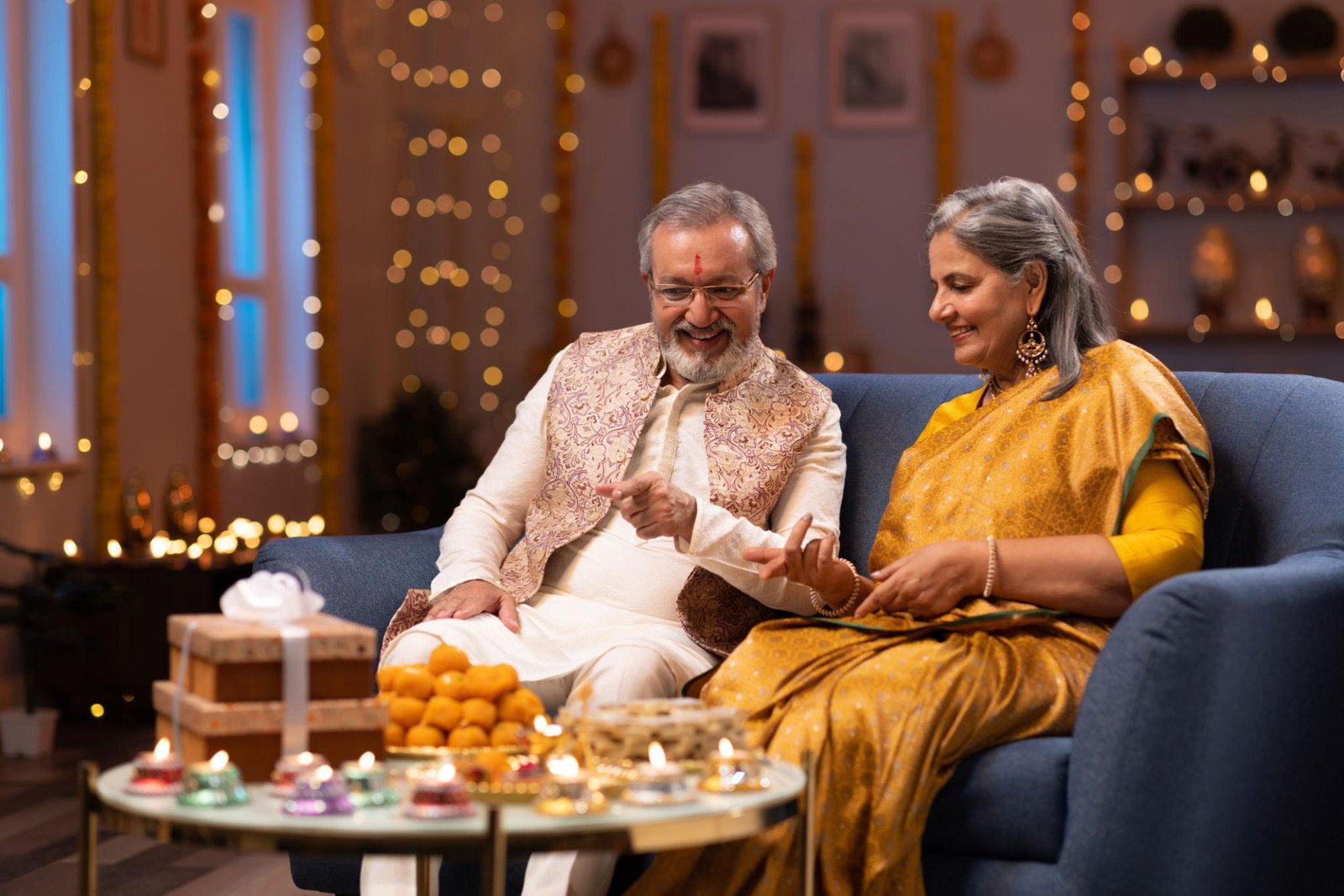
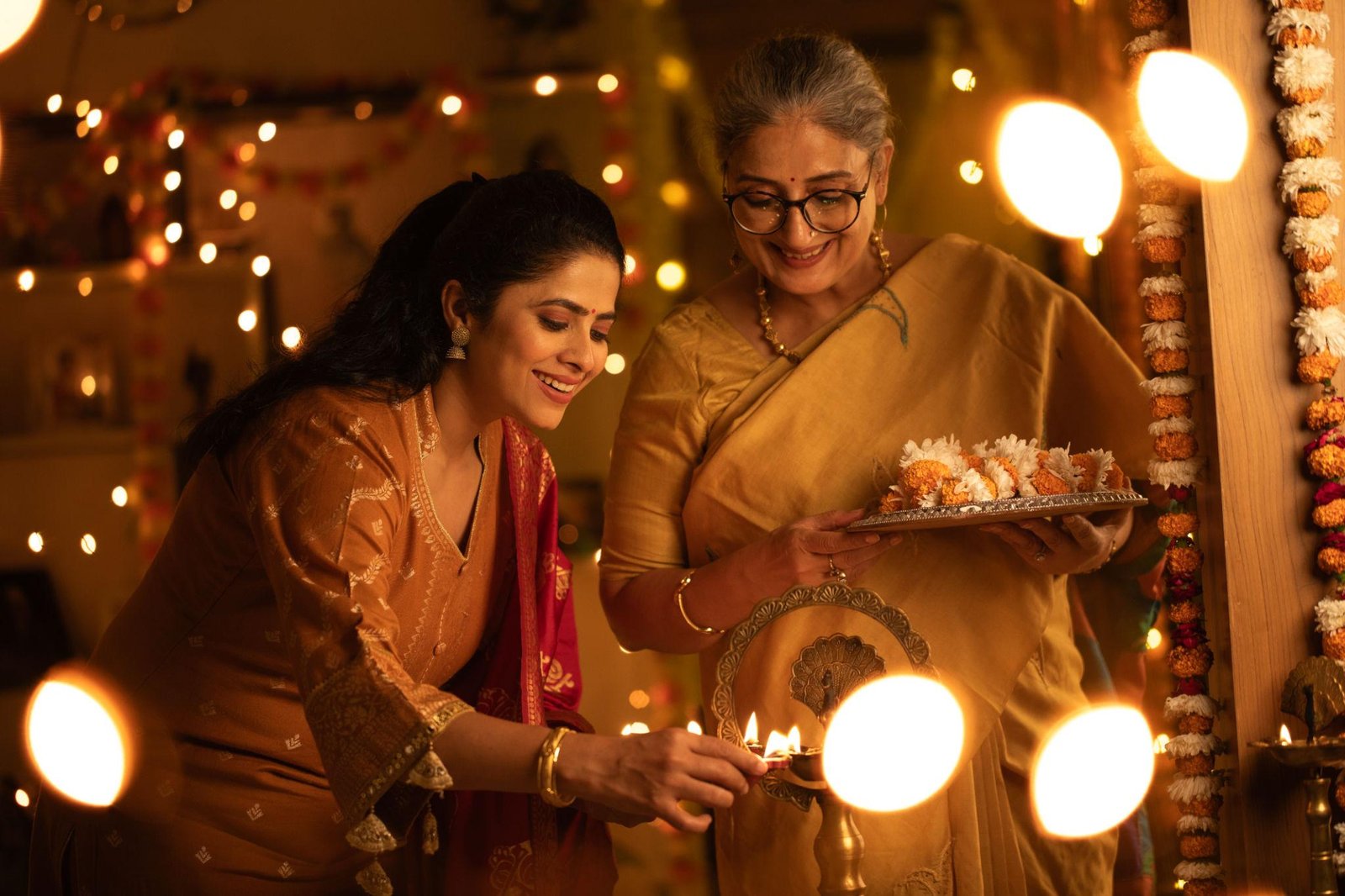
1. Keep Diyas and Candles Safely Positioned
Lighting diyas is a meaningful Diwali tradition for many families. Their warm glow creates a festive atmosphere, but open flames require careful attention.
Health Canada recommends using flameless candles whenever possible and never leaving burning candles unattended. Candles should be kept away from curtains, bedding, clothing and other materials that can catch fire.
Practical Diwali fire safety tips for seniors:
Consider battery-operated LED diyas as a safer alternative to open flames.
If traditional diyas are used, place them on stable, heat-resistant surfaces away from walkways.
Keep flames away from loose clothing, decorative fabrics and paper decorations.
Never leave a burning diya unattended, even for a short time.
Extinguish all flames before leaving the room or going to bed.
Check that smoke alarms are working properly.
If an older adult has memory difficulties or needs assistance with movement, arrange for a responsible adult to supervise any use of open flames.
Why this matters: A beautiful celebration should not create unnecessary fire hazards. Choosing safer lighting allows families to enjoy the festive atmosphere with greater peace of mind.
2. Make the Home Fall-Safe
Decorating the home is one of the most enjoyable parts of Diwali. However, decorative items, electrical cords, loose rugs and crowded walkways can increase the risk of trips and falls.
Health Canada identifies poor balance, reduced vision, decreased muscle strength and unsafe home conditions as factors that can contribute to falls among older adults.
Before guests arrive, walk through the home from your loved one’s perspective.
Use this Diwali home safety checklist:
Keep hallways, entrances and pathways clear.
Secure or remove loose rugs and mats that may slide.
Keep electrical cords away from walking routes.
Ensure stairs and entrances are well lit.
Keep frequently used items within easy reach.
Wipe up spills immediately.
Make sure mobility aids, such as walkers or canes, are accessible.
Avoid asking an older adult to climb ladders or chairs to help with decorations. Family members can take care of tasks that involve reaching high shelves, lifting heavy objects or working at height.
If your loved one needs assistance walking or transferring between a chair and standing position, plan for appropriate support rather than rushing during preparations.
Remember: A clear, well-lit home helps older adults move around more comfortably and can reduce avoidable hazards.
3. Choose Comfortable and Accessible Decorations
Diwali decorations can transform a home, but they should not interfere with everyday movement or comfort.
When decorating a home for a senior, consider both appearance and accessibility.
For example, place rangoli designs and decorative arrangements where they will not create slippery surfaces or obstruct walkways. Avoid placing small decorative objects on the floor in areas where someone may step on them.
Other helpful ideas include:
Use lightweight decorations that are easy to position safely.
Avoid unstable displays near entrances and frequently used furniture.
Keep chairs and favourite resting places accessible.
Maintain clear routes to the bathroom, bedroom and kitchen.
Check that decorative lighting does not create glare or dark shadows.
Some older adults have reduced vision or find changes in familiar surroundings confusing. Keeping important furniture and everyday objects in their usual places may help them navigate the home more confidently.
The goal is not to remove the festive spirit. It is to create a beautiful environment that remains comfortable and practical.
4. Plan Healthy, Balanced Festive Meals
Food is an important part of Diwali celebrations. Families often share traditional meals, sweets, savoury snacks and special drinks.
Older adults can enjoy festive foods while also considering their individual nutritional needs.
According to Canada’s Food Guide, healthy eating includes a variety of nutritious foods, with vegetables and fruits, whole grain foods and protein foods forming part of a balanced eating pattern.
Helpful festive meal-planning tips:
Offer a variety of foods that suit the person’s preferences.
Include nutritious options alongside traditional sweets and snacks.
Provide water and other appropriate drinks throughout the day.
Consider smaller portions if a large meal feels uncomfortable.
Follow any existing dietary recommendations from a healthcare professional.
Check whether foods need to be modified for chewing or swallowing difficulties.
If your loved one has diabetes, kidney disease, food allergies or another condition requiring dietary management, individual recommendations from their healthcare professional should take priority over general festive advice.
Avoid assuming that every older adult has the same dietary needs.
A thoughtful approach: Make room for cherished family recipes while ensuring that suitable food and drink options are available for everyone.
5. Maintain Medication and Daily Routines
During busy celebrations, regular routines can easily be disrupted. Family members may be preparing meals, welcoming guests, attending community events or travelling between homes.
For older adults who follow a medication schedule or need assistance with daily activities, these changes can create confusion.
To help keep the celebration organized:
Follow the person’s existing medication schedule and instructions.
Use their usual reminder system if one is already in place.
Avoid changing medication doses or timing without appropriate professional advice.
Keep important contact information accessible.
Allow sufficient time for meals, rest and personal care.
Arrange appropriate assistance if the usual caregiver will be unavailable.
If a senior receives medication support from a caregiver, make sure responsibilities are clearly communicated and remain within the caregiver’s authorized role and qualifications.
Maintaining familiar routines can also be helpful for older adults living with dementia or Alzheimer’s disease. Familiar activities, consistent schedules and a calm environment may make celebrations easier to manage.
If you notice a sudden or significant change in an older adult’s alertness, behaviour or physical condition, seek appropriate medical advice rather than assuming it is simply fatigue from the festivities.
6. Reduce Noise and Sensory Overload
Diwali gatherings can be lively, with conversations, music, visitors and sometimes fireworks nearby. While many people enjoy this atmosphere, it may be tiring or uncomfortable for some seniors.
Older adults who have hearing difficulties, dementia, sensory sensitivities or fatigue may benefit from a quieter environment.
Consider these simple adjustments:
Keep music at a comfortable volume.
Avoid having several conversations occur loudly at once.
Provide a quiet room where your loved one can rest.
Make sure visitors speak clearly and allow time for responses.
Offer breaks between activities.
Ask the older adult what makes them feel comfortable.
For a person living with dementia, too many simultaneous activities or unfamiliar faces may sometimes lead to distress or confusion.
Rather than expecting them to participate in every activity, allow them to join in at their own pace.
A short conversation, sharing a favourite sweet or watching the family light LED diyas together may be just as meaningful as a large gathering.
7. Support Emotional Well-Being and Family Connection
Festivals can bring joy, but they may also remind some older adults of family members who live far away, loved ones who have passed away or traditions they can no longer participate in as they once did.
A thoughtful Diwali celebration can help older adults feel included, valued and connected.
Here are a few meaningful ways to celebrate together:
Invite your loved one to share favourite Diwali memories.
Prepare a familiar family recipe together if it is safe and manageable.
Arrange a video call with relatives who cannot attend.
Look through family photographs or listen to familiar music.
Include the senior in decisions about decorations and activities.
Respect their wishes if they prefer a quieter celebration.
Companionship is about more than simply being present. It involves listening, showing interest and helping someone feel that they are an important part of the family.
For seniors who live alone or have limited opportunities for social interaction, a visit from a trusted family member, friend or companion may be especially meaningful.
Small gestures can help make the festival feel welcoming and personal.
8. Plan Fireworks and Outdoor Activities Carefully
Fireworks and community celebrations may be part of some families’ Diwali traditions. However, outdoor activities require consideration of noise, mobility, weather and local safety requirements.
If your family plans to attend an event or watch a display, consider the following:
Check whether the venue is accessible and offers suitable seating.
Plan transportation and allow enough time to arrive without rushing.
Bring any necessary mobility aids.
Consider ear protection if noise may be uncomfortable.
Dress appropriately for the weather.
Identify a quiet place where the senior can rest.
Follow local rules and professional safety guidance concerning fireworks.
Never assume an older adult must attend a crowded event to enjoy Diwali. A celebration at home, a family meal or a quiet visit can be equally meaningful.
If an older adult becomes tired, distressed or uncomfortable, allow them to leave or rest rather than encouraging them to continue.
9. Arrange Extra Help When Needed
Sometimes, family members want to provide everything themselves. But preparing meals, decorating, welcoming guests and supporting an older loved one can become demanding, particularly when the senior needs assistance with personal care or everyday activities.
Planning additional help can make the celebration more manageable for everyone.
Depending on the individual’s needs, support may include:
Assistance with bathing, dressing and grooming.
Help with meal preparation and everyday routines.
Companionship and engagement in familiar activities.
Mobility assistance within the caregiver’s training and role.
Support following surgery or during recovery at home.
Dementia and Alzheimer’s care.
Respite care to give family caregivers time to rest.
Nursing services when required and provided by appropriately qualified professionals.
For example, a family hosting Diwali may arrange assistance with a loved one’s morning routine so that they can spend more time enjoying the festivities together.
Another family may need temporary respite support while managing several responsibilities.
The right arrangement depends on the older adult’s needs, preferences and existing care plan.
Seeking help is not a sign that a family is doing less. It can be a practical way to support an older adult while helping family caregivers manage their responsibilities.